Every recipe I create begins well before the stove is turned on or the camera shutter clicks. It starts with an idea—a color palette, a memory, a mood. On Culinary Canvas, food isn’t just sustenance; it’s a form of storytelling. And each shoot is a creative ritual, from sourcing ingredients to styling a finished plate. This is a look behind the scenes of a typical day in my kitchen studio, where flavors, textures, and visuals come together to tell a story.
Morning: Where Inspiration Begins
The process usually starts with a concept. Sometimes it’s seasonal—like a spring pea tart or a stone fruit salad. Other times, it’s sparked by a piece of pottery, a rustic linen napkin, or a certain type of light I want to chase. I use Milanote to create visual moodboards, collecting textures, tones, and plating inspiration that help guide my day.
Mood and feeling shape the creative direction more than the recipe itself. Am I aiming for something earthy and slow, or clean and minimalist? These decisions help define everything from ingredient choice to final color grading.
Midday: Ingredient Sourcing & Smart Spending
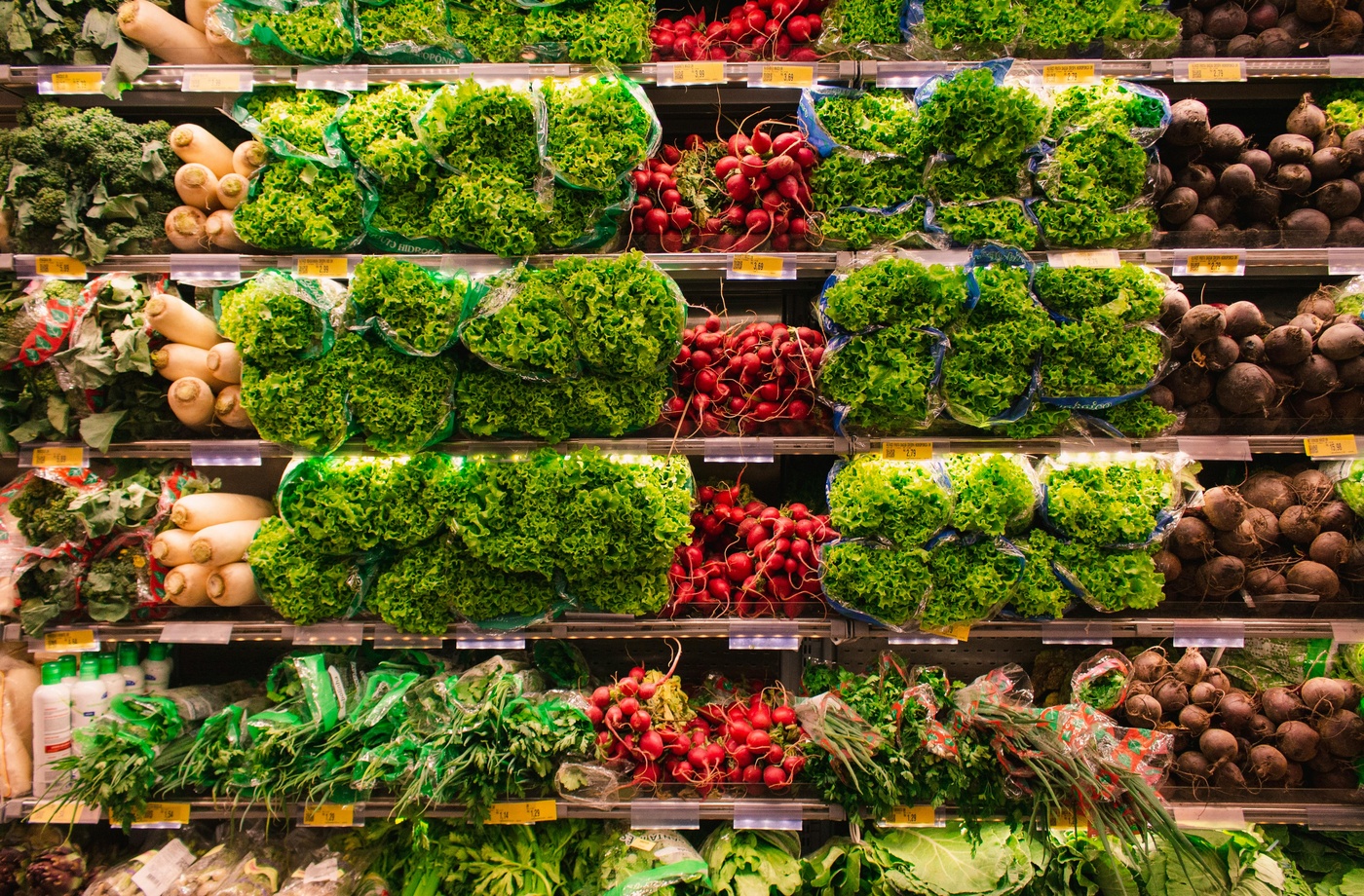
For fresh ingredients, I visit a local farmer’s market when possible. The vibrancy of in-season produce offers natural color and character that you simply can’t fake. For pantry staples and styling pieces, I mix in online retailers and occasional bulk orders—especially when prepping for multiple shoots.
To keep the costs of creative development manageable, I use cashback tools in the background for recurring purchases. When sourcing from places like Whole Foods or Home Depot, I’ll occasionally purchase discounted gift cards through Fluz, which adds a bit of financial cushion to the process. It’s not flashy, but it’s a small way to make the business side of content creation more sustainable over time.
Afternoon: Styling and Shooting
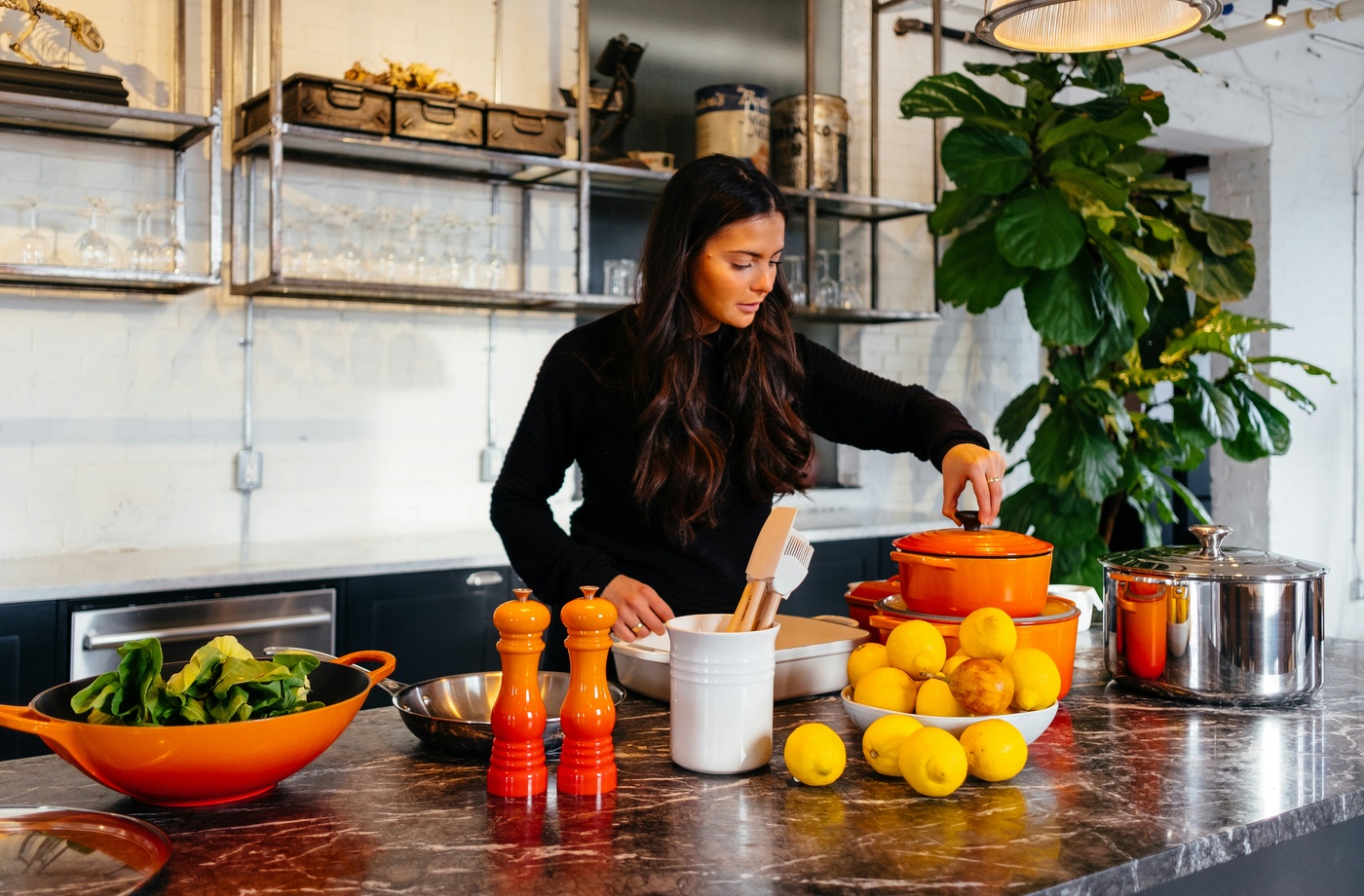
Once everything is prepped, I transform my space into a mini studio. I shoot primarily in natural light, using reflectors and foam boards to shape shadows and highlights. If needed, I supplement with diffused continuous lighting to mimic overcast window light.
The food styling process is meditative. I work with:
- Texture: Playing with crispy, creamy, glossy, and matte finishes
- Color: Using complementary tones to create visual harmony or contrast
- Shape: Letting the composition lead the eye around the frame
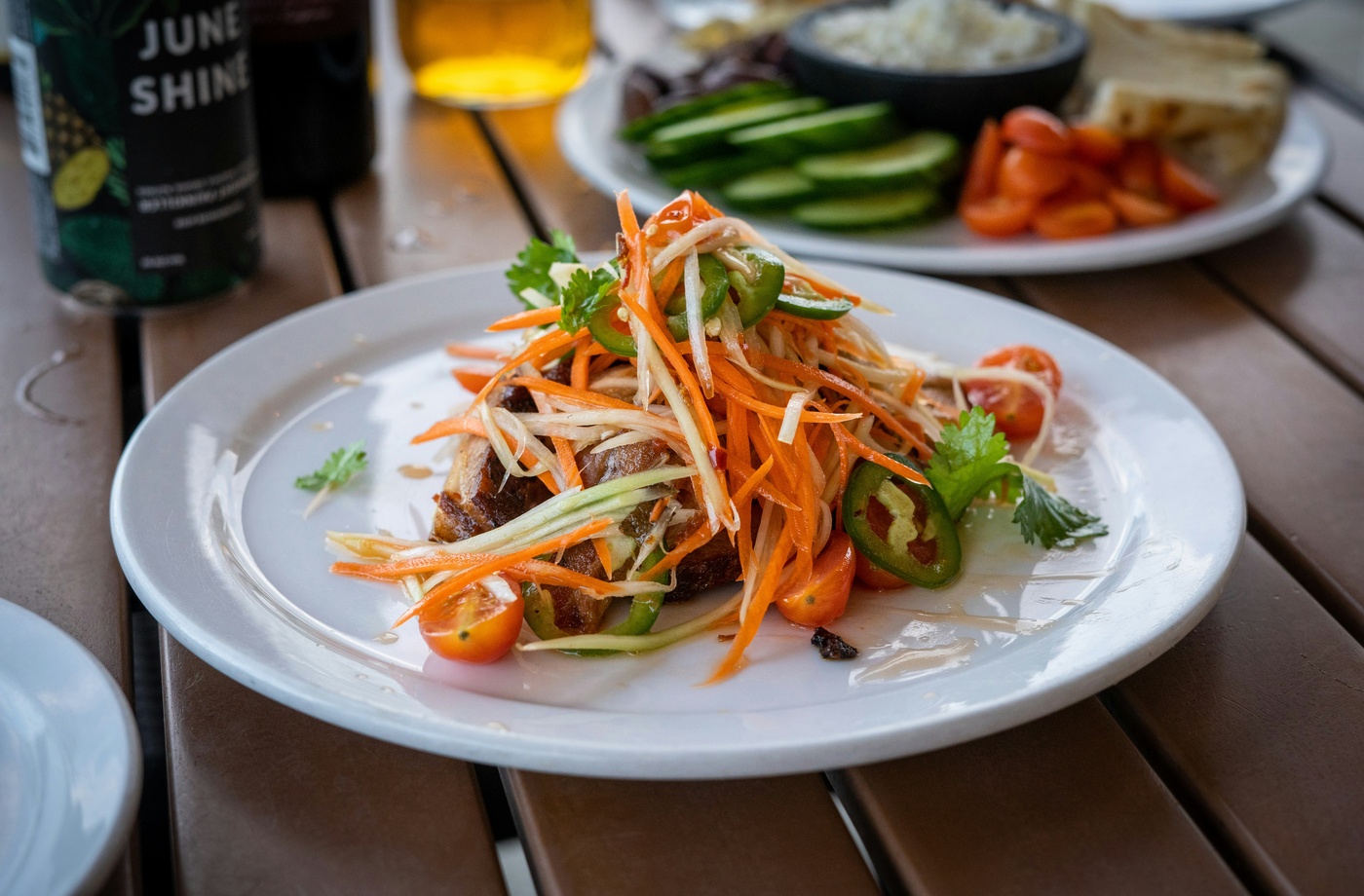
I style with restraint, letting the ingredients speak for themselves. I keep a curated prop kit filled with ceramics from Etsy, found wood pieces, hand-dyed linens, and vintage utensils. The goal is always to support the dish, not distract from it.
My camera of choice is a Sony Alpha mirrorless with a 50mm lens, tethered to my laptop for live previews. This setup helps me refine composition in real time and maintain a consistent visual language across shoots.
Evening: Editing and Archiving
After the shoot, I move into post-production. I use Lightroom to fine-tune color, contrast, and tone. My editing style leans natural—gentle warmth, soft shadows, and just enough clarity to make textures pop. I avoid heavy filtering and instead focus on enhancing what’s already there.
Final selects are organized into seasonal folders, tagged with dish type, color notes, and intended use. I keep everything logged in Notion so I can easily repurpose content for blog posts, newsletters, or collaborations.
The Creative Routine
This process—concept, sourcing, styling, shooting, and editing—forms the heartbeat of Culinary Canvas. It’s a rhythm I’ve refined over time, shaped by both instinct and strategy. By grounding my workflow in intention and using small, behind-the-scenes tools that make things easier, I stay focused on what matters: telling honest, beautiful stories through food.
Whether you’re a fellow creator or a curious reader, I hope this peek into my day offers a little inspiration for your own creative rituals.