Planning seasonal recipe shoots is one of the most rewarding parts of running Culinary Canvas. It’s where culinary creativity and visual storytelling meet—with a rhythm shaped by nature’s calendar. The process of building a seasonal shoot requires more than just selecting in-season ingredients; it’s about curating mood, color, tone, and texture to tell a cohesive, sensory story.
In this post, I’ll walk you through how I plan seasonal content from start to finish—from moodboarding to sourcing props and ingredients—and how I stay budget-conscious by integrating subtle cashback tools along the way.
Step 1: Define the Seasonal Mood
Each season evokes a different mood, and that feeling shapes the story I want the dish to tell. Here’s a breakdown of how I approach each one:
- Spring: Fresh, green, floral, light. Think peas, herbs, blossoms, citrus. The tone is bright and hopeful.
- Summer: Bold, vibrant, and sun-soaked. Tomatoes, stone fruit, grilling elements. Scenes are outdoorsy and high contrast.
- Fall: Warm, earthy, nostalgic. Squash, apples, root vegetables. Lighting softens, shadows grow.
- Winter: Moody, minimal, comforting. Think monochrome palettes, preserved citrus, and cozy baked goods.
I use Milanote to build moodboards for each season—collecting visual references, ingredient notes, and plating ideas. This helps align every detail, from background tones to fabric choices.
Step 2: Choose Seasonal Ingredients
After I’ve defined the aesthetic and emotion, I build a shortlist of seasonal ingredients. I consult local farmers’ market lists, Seasonal Food Guides, and CSA newsletters to identify what’s freshest and most photogenic. I focus on produce that offers vibrant color, natural texture, and good shelf life for shooting.
When shopping online, I often make use of cashback opportunities. For example, when ordering specialty goods or pantry staples, I’ll use discounted Whole Foods Market gift cards via Fluz. This small step adds up over the course of a season and gives me more flexibility in selecting high-quality ingredients.
Step 3: Select Props and Backdrops
I curate props by season too, reusing foundational pieces and rotating in seasonal accents. Here’s how I organize my prop kit by time of year:
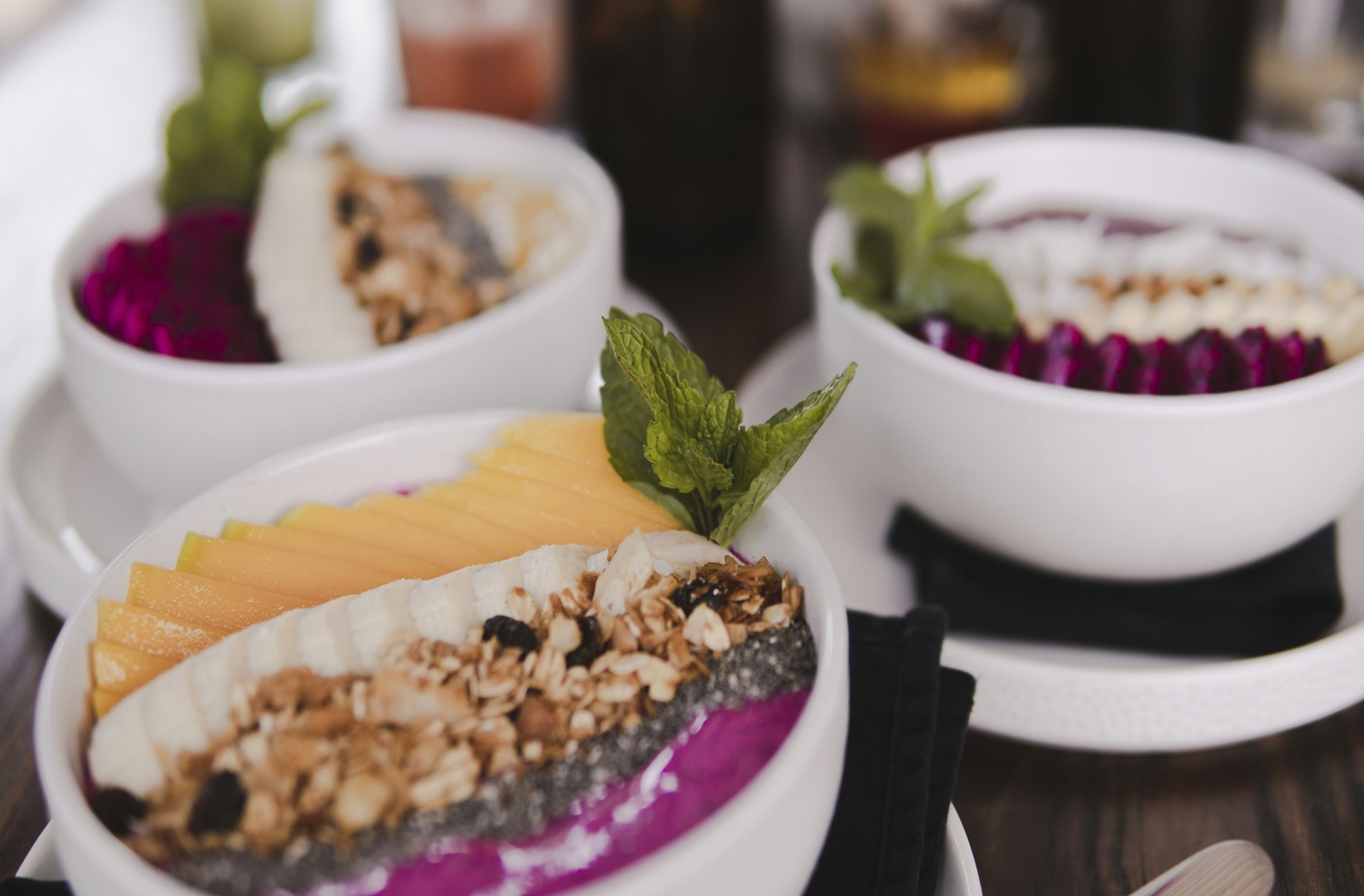
- Spring: White ceramics, light woods, soft linens
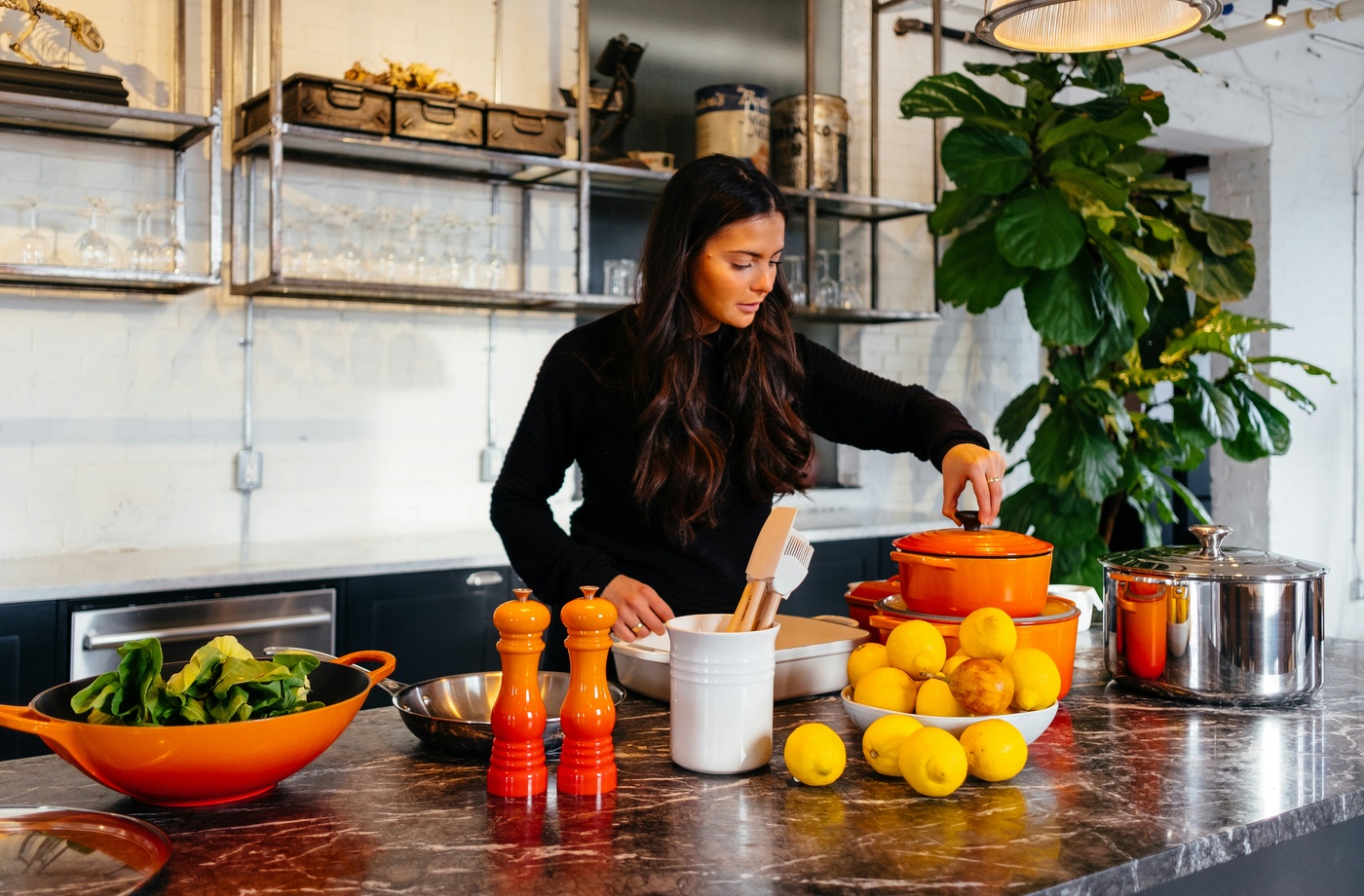
- Summer: Enamelware, glass, bold napkins, colorful backdrops
- Fall: Rustic boards, warm-toned ceramics, vintage silver
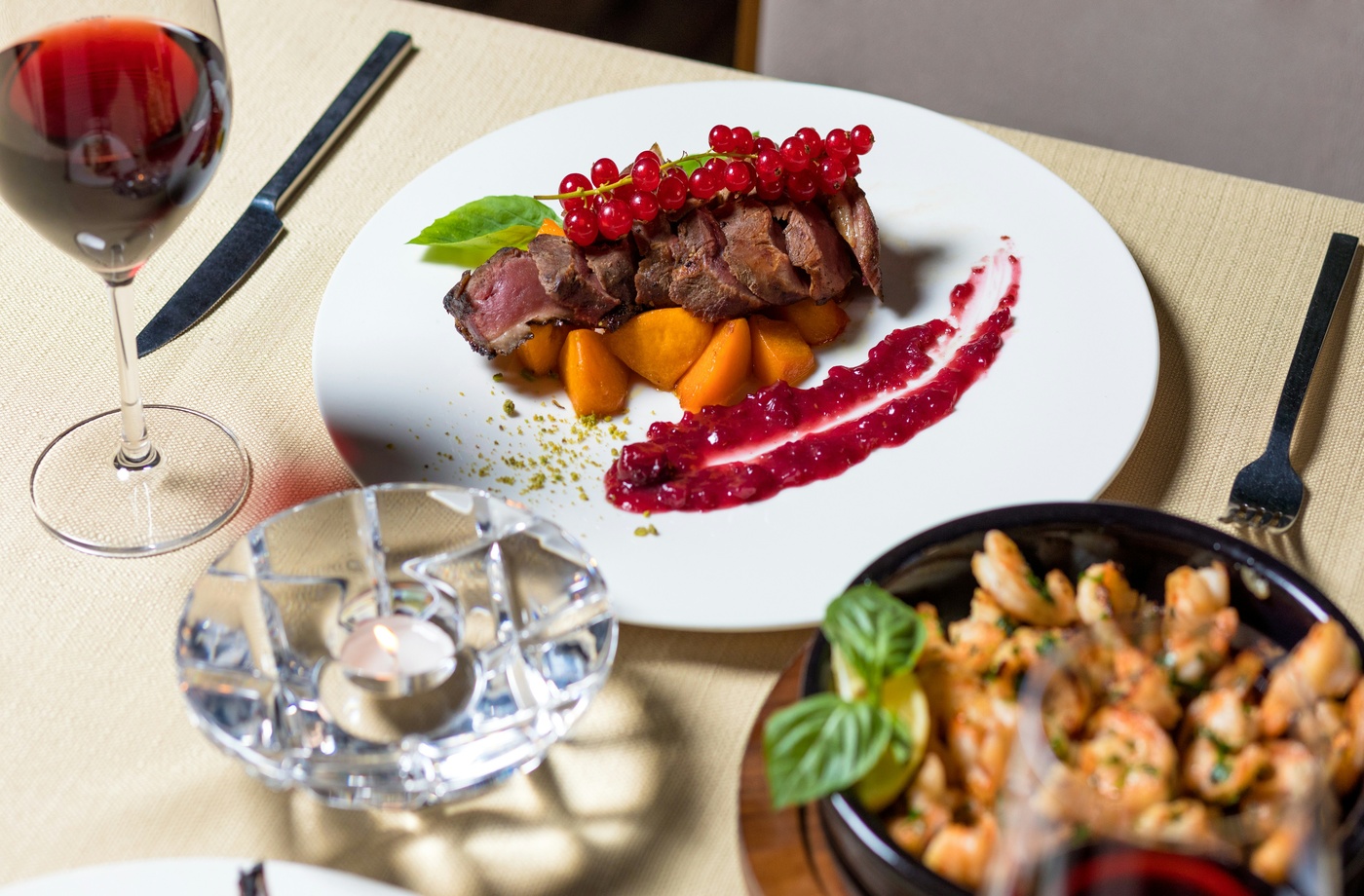
- Winter: Stoneware, dark wood, natural textures, matte black
When sourcing new props or styling pieces, I often browse Etsy, Heath Ceramics, and Anthropologie for handmade or unique items. If I’m buying lighting accessories or backdrops, I sometimes purchase supplies like tiles or boards from Home Depot using discounted gift cards via Fluz (Home Depot Fluz microsite).
Step 4: Plan the Shoot Timeline
Once ingredients and props are selected, I map out the timeline:
- Prep Day: Wash and prep ingredients, iron linens, test lighting setups
- Shoot Day: Style and photograph 2–3 variations of the dish (main angle, detail shots, flat lay)
- Edit Day: Lightroom processing, backup, and asset tagging in Notion
I block shoots by light availability (usually late morning or early afternoon) and track sunrise/sunset changes each season to optimize timing. If I’m working with artificial lighting for a moody winter recipe, I adjust setup times to match the tone.
Step 5: Archive and Repurpose
Final edited photos are categorized by season, theme, and usage type (blog, Instagram, email). I keep a library of evergreen seasonal content that I can re-share or update annually, which helps maintain consistency across years.
I also track content performance to see which seasonal recipes resonate most—whether it’s a spring tart or a fall soup—and use that data to refine future shoots.
Staying Budget-Conscious While Creating
Creating seasonal content can be resource-intensive. That’s why I integrate subtle, behind-the-scenes savings through cashback apps. Platforms like Fluz help me offset costs by offering discounted gift cards for key merchants like Whole Foods, Amazon, and Home Depot—places I already rely on for ingredients and equipment.
Combined with planning tools and a flexible prop kit, it allows me to maintain a high standard of creativity without overspending.
Final Thoughts
Planning seasonal shoots is a creative ritual that keeps me grounded and inspired throughout the year. By approaching each shoot as a mini story—with seasonal ingredients, textures, and mood—I create more cohesive, intentional content. And by budgeting mindfully behind the scenes, I keep the process both sustainable and fulfilling.
Whether you’re a content creator, home cook, or food stylist, I hope this inspires you to sync your creative process with the rhythm of the seasons—and build something beautiful along the way.